
AN ARCHITECTURAL MODEL OF YOU
Every personality
has a blueprint.
A 20-minute personality assessment that identifies your dominant, supporting, and background spaces—then shows how that particular mix shapes the way you communicate, connect, work, and respond under pressure.
20 minutes · Free to start · No account required
Free initial report · Full reports from $18.99 · One-time purchase

What you get
More than a type. A layered read of you.
Your report names the space that leads, the one you reach for next, and the quieter influence underneath. Then it shows how that mix shapes communication, motivation, stress, strengths, blind spots, and the relationships around you.
Discover my BlueprintSample result
Your Blueprint
A three-layer personality profile
Dominant
Architect
Supporting
Nurturer
Background
Catalyst
Communication
You communicate to establish clarity — precise, deliberate, and often more careful than people expect.
Under stress
Under stress, you retreat into analysis — the system feels safer than the feelings.
What drives you
Your motive profile reveals how strongly achievement, affiliation, and power pull at you.
Growth edge
Under stress, you tighten your grip. You take over tasks rather than trust them to others, correct methods that were working fine, and treat a feeling in the room as an error in the reasoning. People experience it as being judged, not helped. The way back is recognizing when a problem is relational, not logical.
THE BLUEPRINT SPACES
Six spaces. Your own arrangement.
Most people don't live in one room. You have a dominant space, a supporting space, and a background influence. Together, they're your Blueprint.
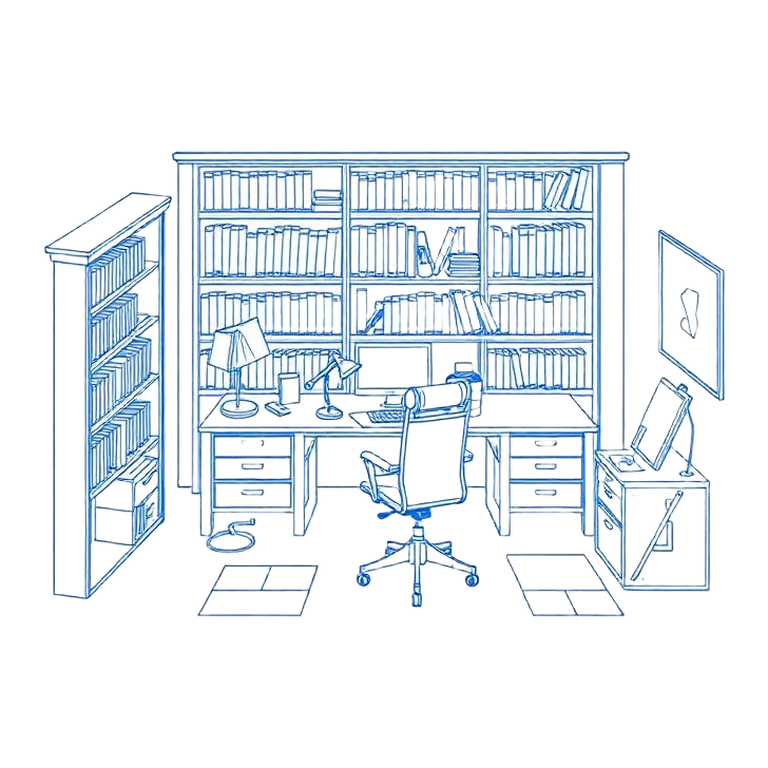
Architect
Analytical · Reliable · Rigorous
You build understanding before you build connection.
The Architect thrives in the Study because trust starts with research, planning, and analysis — you understand a thing before you connect over it.

Nurturer
Empathetic · Warm · Attuned
You feel the world before you think it.
The Nurturer thrives on the Front Porch because connection begins with welcome — you read what people need at the threshold and make them feel at home before a word is spoken.
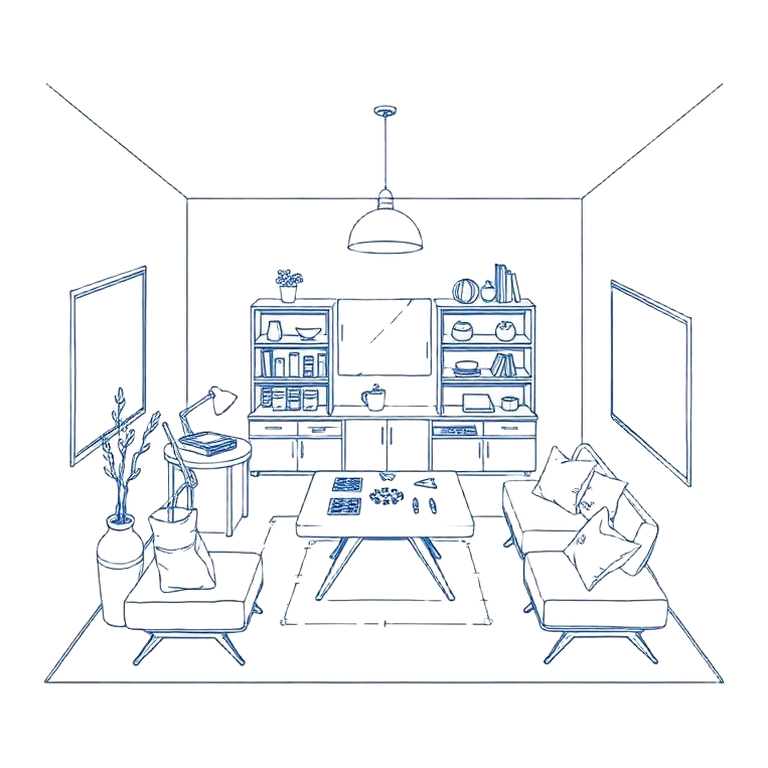
Catalyst
Improvisational · Inventive · Playful
You react, create, and spark life into every room.
The Catalyst thrives in the Game Room because connection happens through play — humor, improvisation, and unexpected moves loosen people up and turn ordinary time into something memorable.

Trailblazer
Decisive · Persuasive · Resourceful
You move toward what you want — and you want a lot.
The Trailblazer thrives in the Ballroom because influence happens in motion — you read the crowd, set the tempo, and pull people toward action through presence and confidence.
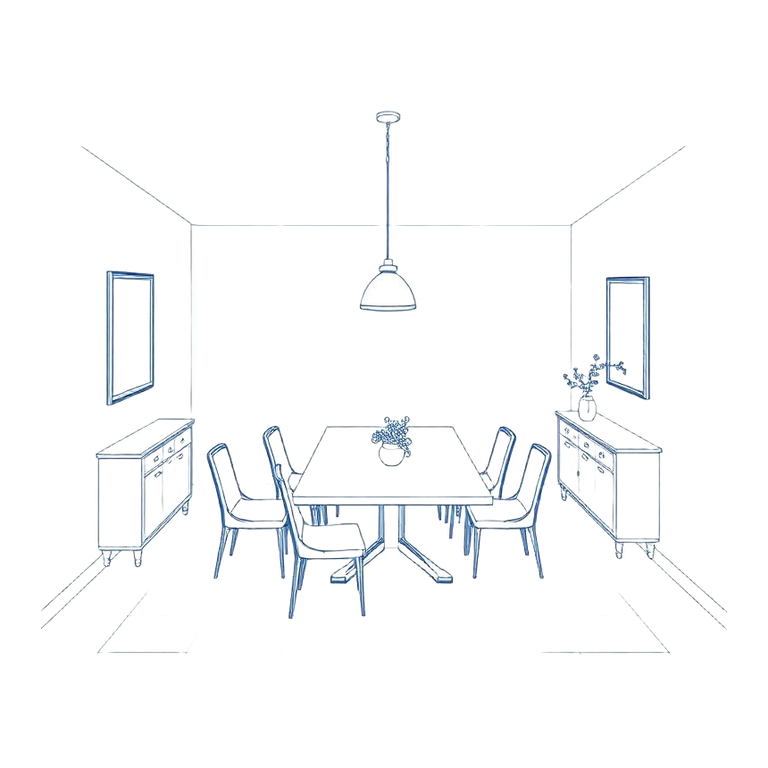
Advocate
Principled · Loyal · Discerning
You live by your values — and you love by them too.
The Advocate thrives in the Dining Room because the shared table has a right way — silverware, seating, tradition, and conversations that matter. Decorum and values are how you hold a community together.
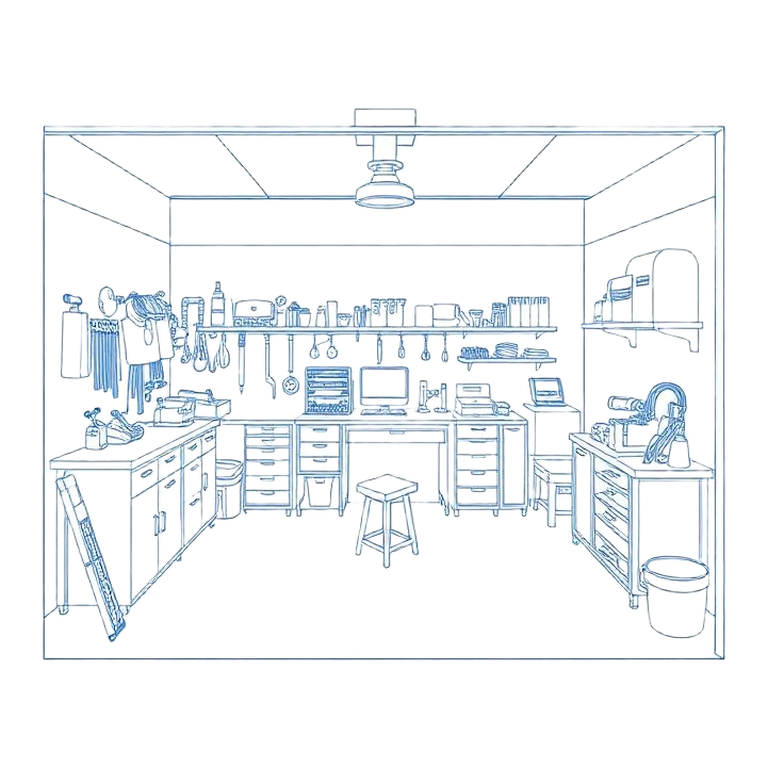
Ponderer
Imaginative · Reflective · Calm
Your inner world is richer than most people's outer world.
The Ponderer thrives in the Garage because real thinking needs a private workshop — space away from performance to tinker with unfinished ideas and follow them wherever they go.
Choose your lens
One assessment. Five ways to read it.
Your underlying Blueprint stays the same. Choose the part of life you want the report to help you understand first; add other lenses later without retaking the assessment.
Life
The all-purpose lens — how you show up across relationships, work, and everything in between.
Choose this lens →
Dating & Marriage
How you fall in love, marry, communicate, and resolve conflict.
Choose this lens →
Work
How you lead, collaborate, and burn out.
Choose this lens →
Parenting
How you raise children and where you'll struggle.
Choose this lens →
Friendship
How you show up for the people who matter.
Choose this lens →
The assessment
How it works
01
Rank, then rate
For the central personality questions, rank the responses that feel most like you and leave the rest. A short set of quick self-ratings adds another signal.
02
Image prompts
Write a few short stories from ambiguous images. Your own first associations matter more than polished grammar or perfect wording.
03
Your Blueprint
See your dominant, supporting, and background spaces in a free initial report. Go deeper with a full lens report or compare your Blueprint with someone else's.
Better together
Compare Blueprints.
A Blueprint is useful on its own. Side by side, it shows the assumptions two people bring into communication, motivation, conflict, and repair. Compare with a partner, friend, family member, co-worker, or a whole group.
- For couples: turn recurring fights into a shared language. See how each of you loves, listens, and withdraws.
- For teams: map the motives in the room. Spot complementary strengths and the friction points before they show up in the work.
- For families & friends: understand the people closest to you on their own terms, not yours.
You
Architect
Analytical · Reliable · Rigorous
Them
Catalyst
Improvisational · Inventive · Playful
Where you connect
Your steadiness gives their spontaneity somewhere to land; their energy loosens your need to have every step mapped first.
Where friction starts
The Catalyst's spontaneity can loosen your need for control, and your steadiness gives them a place to land. Conflict emerges when they dodge structure and you demand it.
What helps
Treat the difference as range: agree on what needs structure, and leave deliberate room for improvisation.
The foundations
Research-informed. Honestly framed.
Blueprint translates ideas from established behavioral and personality frameworks into a practical language for everyday life. It is a tool for reflection—not a clinical diagnosis or a claim of independent psychometric validation.
Explore the Science →Transactional Analysis
How people meet one another in conversation, conflict, and relationship.
Motivation research
Achievement, affiliation, and power as distinct human drives.
Recognition theory
How giving and receiving recognition shapes the way connection holds or frays.
A note from the founder
Insight for everyday life.
I launched Blueprint after years in leadership and organization development, watching useful ideas about people and relationships circulate mainly inside organizations. I kept thinking about how much more useful they could be in everyday life.
Blueprint exists to make that knowledge practical—to give people clearer language for themselves and one another. Personality insight should do more than feel interesting; it should help with communication, conflict, closeness, and the work of living together.
— Founder, Blueprint
Why Blueprint exists →